What I Learned About Passion from Hating Soccer
For years, I couldn’t stand my family and neighbors’ obsession with soccer, but it took a friend’s joy for me to gain a new perspective.
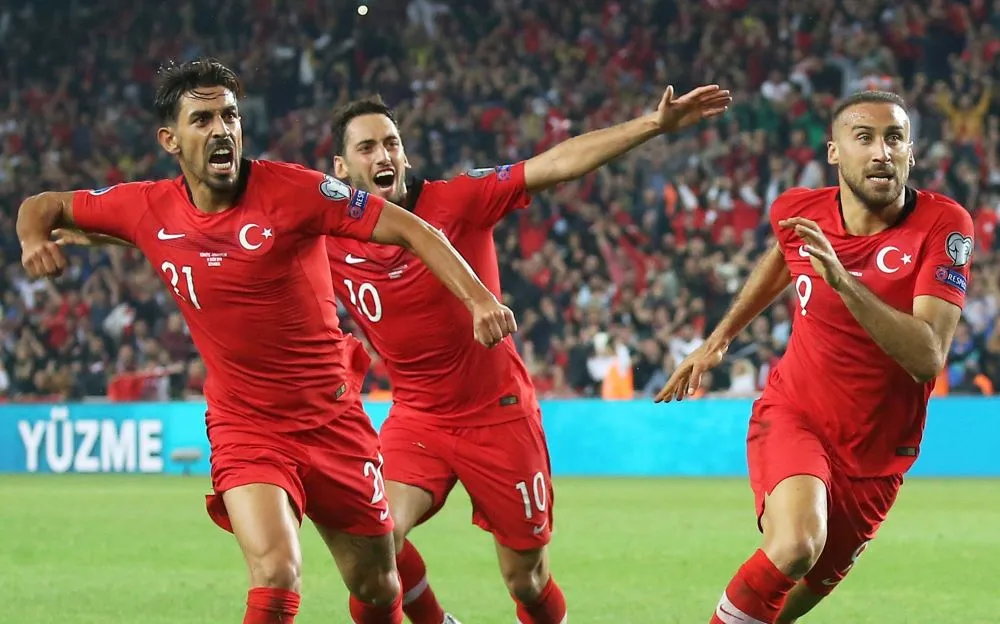
During my childhood in Turkey — a single-parent, two-grandparent household — the TV was almost always on. My after-school routine involved watching lots of Disney Channel and Nickelodeon shows, with grandma coming in for reality TV. Grandpa only liked watching the news and soccer. He was a professional TV watcher, skillfully zapping between different channels and giving the screen his undivided attention. This was especially true during soccer season. If soccer was on, we weren’t allowed to watch anything other than 22 seemingly angry, athletic men run, jump and tackle each other on green grass for two hours.
Soccer is a very big deal in Turkey. People are born into supporting one of the three big teams: Fenerbahçe, Galatasaray or Beşiktaş. These allegiances pass down through generations.
It’s also heavily male-dominated. Even though the female soccer league in Turkey became professional in 2021, there is still a lot of social stigma around women playing soccer. On the other hand, the male soccer league is the biggest and most funded sports league in the country. I saw this social divide emerge in my elementary school when only the boys played soccer in the courtyard, while girls played catch and house.
I recall some initiatives by the Turkish Football Federation to get women involved in the sport, at least as audience members. When I was 12, I went to a women’s night game at the Fenerbahçe stadium with my mom and her friends. Even though none of us really knew what was going on on the field at all times, I remember having lots of fun cheering among thousands of people.
At school, boys threw insults, and hit and shoved each other over the teams they supported. If there was a very important game being played, they would come into class the next day, more than eager to yell and jump at each other when someone called out the losing team. You can see similar behaviors in adult fanatics who aren’t shy to sing offensive anthems and throw sexist, derogatory insults at players and each other at stadiums or in front of screens. Very recently in January, two groups of fans of Galatasaray and Fenerbahçe got into a fight before a derby in Istanbul, first throwing insults, then stones at each other. The fight had to be broken by the police. No matter where they are, these men are ready to get into a physical brawl after their team loses a game —and without being aware of how unsafe they might make the people around them feel.
Both at school and in public, I began associating these violent acts and events with the entirety of the sport from a young age, considering how often game nights ended in arguments and fights in stadiums and on streets. For a very long time, I detested interacting with anything related to soccer, because I couldn’t not see it as a misogynistic and toxic sport.
It’s not that I didn’t appreciate sports. Following my mom’s footsteps, I played volleyball for six years until high school. I enjoyed moving in harmony with my teammates, and I loved scoring points.
It also felt good to watch and support other teams when I wasn’t on the court. But I still didn’t fully understand how someone could go from being a fan of a sport to becoming dangerously hostile when their team loses a game.
Last year, the Fenerbahçe basketball team became the EuroLeague champion, and my childhood best friend went out to celebrate on the crowded streets of Istanbul. Months after the parade, she pulled out her phone and showed me pictures from that day, recounting how she and her boyfriend managed to find the best spot on the street right when the team bus was passing by. As she described the joy with each photo and video, it was obvious to me the parade had become one of her highlight moments of the year. It had given her a sense of community with the millions of people coming together to celebrate the same thing.
I also realized soccer gave my grandpa a sense of community. He became a soccer fan at 14. When he moved to Istanbul, he began frequently going to live stadium games with his friends. “People go to games or watch them as a means to escape from what is happening in the world around them,” he told me. He kept going to the stadium until the late 80s, and when TVs were introduced to homes, he stopped going. He thinks the TV made it easier to follow the league, although nothing compares to being at the stadium with his friends, he says.
So I am reconciling with soccer. As we both grow older, the sport has become one of the ways I can relate to him more. I don’t think I’ll ever sit down and really enjoy watching a game of soccer. But who knows? Next time I fly back home, I might ask grandpa to update me on the latest status of Fenerbahçe, and give me some gossip about the recent transfers in the league.